Ethylene Dichloride (EDC)

Ethylene Dichloride (EDC)

MOQ : 500 Kilograms

Ethylene Dichloride (EDC) Specification

  • Boiling point
  • 84 C
  • Poisonous
  • Yes
  • Taste
  • Odorless
  • Melting Point
  • −35 C
  • Molecular Weight
  • 98.96 Grams (g)
  • Storage
  • Room Temperature
  • Form
  • Powder
  • Smell
  • Fragrant
  • Grade
  • Industrial Grade
 

Ethylene Dichloride (EDC) Trade Information

  • Minimum Order Quantity
  • 500 Kilograms
  • Supply Ability
  • 500 Kilograms Per Day
  • Delivery Time
  • 7 - 10 Days
  • Packaging Details
  • Bag
  • Main Domestic Market
  • All India
 

About Ethylene Dichloride (EDC)

Our firm is enlisted as one of the renowned name in offering our clients Ethylene Dichloride(EDC). At our sound processing unit, we process this chemical using high quality compounds. This chemical is ideal to use as a dispersant in rubber and plastics. Before packing in air tight containers, we check this chemical on safety and purity parameters. Also, Ethylene Dichloride(EDC) is used in the production of vinyl chloride and other organic compounds. We offer this chemical at reasonable prices.

Features:

  • Low toxicity
  • Colorless liquid
  • Free from adulteration


Industrial Applications and Uses

Ethylene Dichloride (EDC) is widely utilized in the chemical industry, especially for synthesizing vinyl chloride monomer, which is further processed into PVC. Its suitability for a range of industrial chemical reactions makes it a staple for manufacturing firms, and its unique properties enable its use as an intermediate and solvent in various applications.


Safe Handling and Storage Recommendations

EDC is poisonous and should be managed with strict safety protocols. Store it at room temperature in well-ventilated environments, away from sources of ignition and incompatible substances. Workers should utilize appropriate personal protective equipment to minimize the risk of exposure.

FAQ's of Ethylene Dichloride (EDC):


Q: How should Ethylene Dichloride (EDC) be stored for optimal safety?

A: EDC should be stored at room temperature in a well-ventilated area, away from direct sunlight and heat sources. Ensure containers are tightly sealed, labelled, and kept away from incompatible chemicals.

Q: What are the primary industrial uses of Ethylene Dichloride?

A: The main use of EDC is as a precursor for vinyl chloride, which is essential for producing PVC plastics. It also serves as a solvent and intermediate in other chemical manufacturing processes.

Q: When is it appropriate to use this grade of Ethylene Dichloride?

A: This industrial-grade EDC should be used strictly in controlled industrial environments and chemical manufacturing processes, not for consumer or food applications due to its hazardous nature.

Q: Where can I procure high-quality Ethylene Dichloride in India?

A: EDC is available from various reputable manufacturers, suppliers, and traders across India. It is important to source the chemical from certified and compliant suppliers to ensure purity and adherence to safety regulations.

Q: What is the process for handling and disposing of Ethylene Dichloride safely?

A: Handling EDC requires the use of protective gear, including gloves and goggles. Any waste EDC should be disposed of according to local hazardous waste regulations, never poured down the drain or released into the environment.

Q: How does using EDC benefit industrial manufacturing?

A: EDC enhances production efficiency as a reliable intermediate in PVC and other chemicals. Its physical and chemical properties offer manufacturers flexibility and effectiveness in large-scale synthetic processes.

Tell us about your requirement
product

Price:

Quantity
Select Unit

  • 50
  • 100
  • 200
  • 250
  • 500
  • 1000+
Additional detail
Mobile number

Email

More Products in Industrial Chemical Category

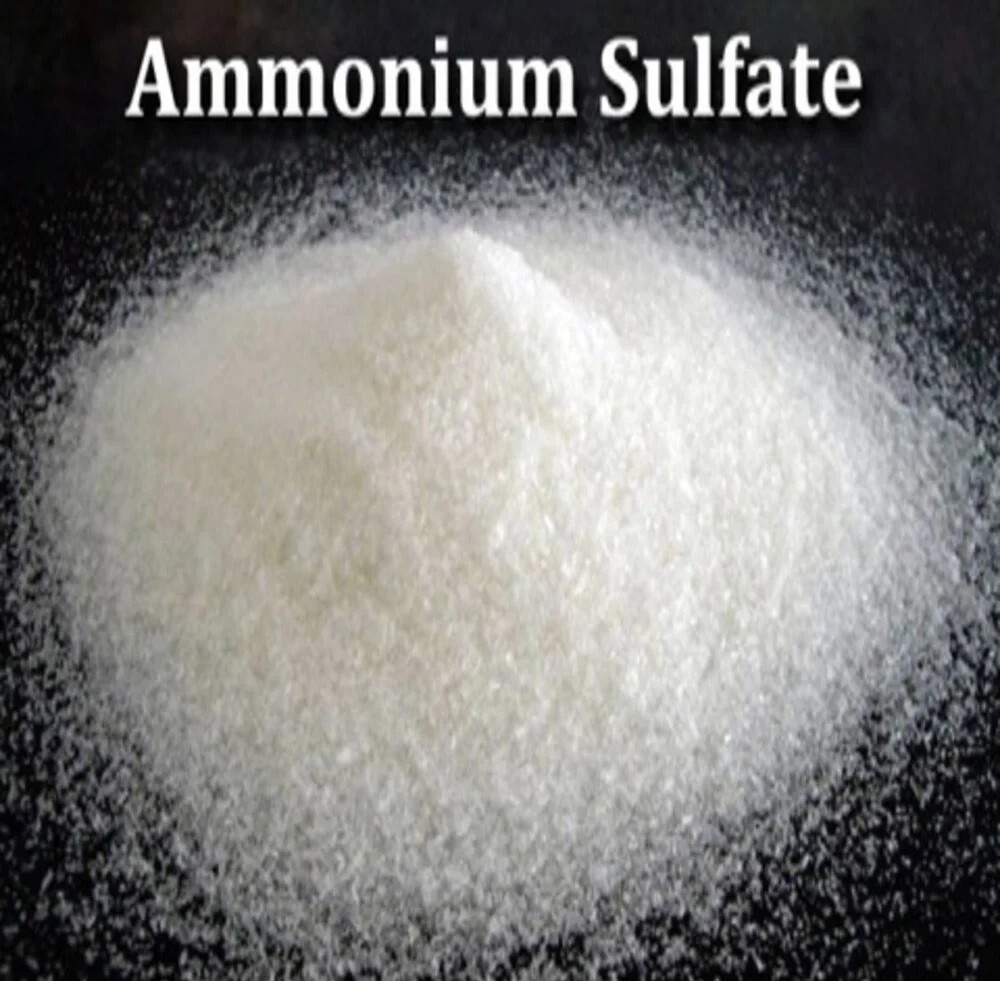
Ammonium Sulphate

Ammonium Sulphate

Boiling point : Decomposes before boiling

Non Toxic : Yes

Application : Other, Fertilizer, Food additive, Laboratory reagent, Flame retardant

Other Names : Diammonium sulfate, Sulphuric acid diammonium salt

Smell : Other, Odorless

Melting Point : 235 to 280C (decomposes)
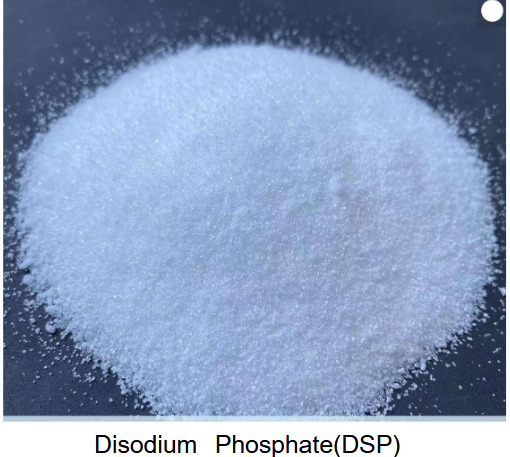
Disodium Phosphate

Disodium Phosphate

Boiling point : Not applicable, decomposes

Non Toxic : Yes

Application : Other, Water treatment, detergents, soap, food additive, textile, boiler compounds, flame retardants

Other Names : Disodium hydrogen phosphate, DSP

Smell : Other, Odorless

Melting Point : 250C (decomposes)
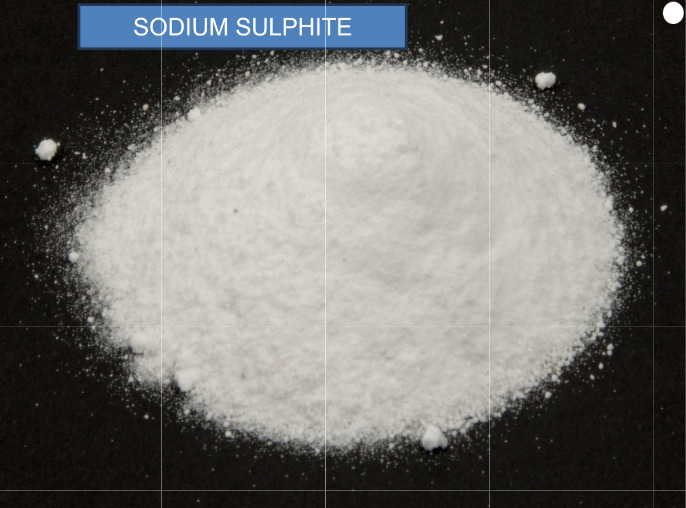
Sodium Sulphite

Sodium Sulphite

Boiling point : Decomposes before boiling

Non Toxic : Yes

Application : Other, Water treatment, photographic industry, pulp and paper industry, textile industry, chemical intermediate

Other Names : Disodium sulphite, Sodium sulphite anhydrous

Smell : Other, Odorless to slight sulfur smell

Melting Point : 33.4 C (for heptahydrate); 500 C (anhydrous, decomposes)
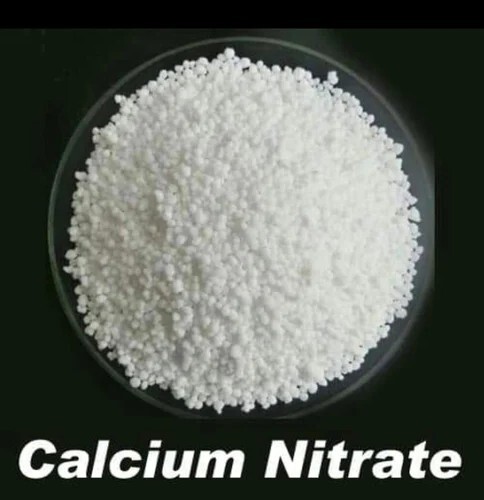
Water Soluble Calcium Nitrate Granules

Water Soluble Calcium Nitrate Granules

Boiling point : Decomposes before boiling

Non Toxic : Yes

Application : Other, Fertilizer, wastewater treatment, concrete setting accelerator, refrigeration plants, laboratory reagent

Other Names : Norwegian saltpeter, Lime nitrate

Smell : Other, Odorless

Melting Point : 561C


Back to top