About Sodium Sulphite
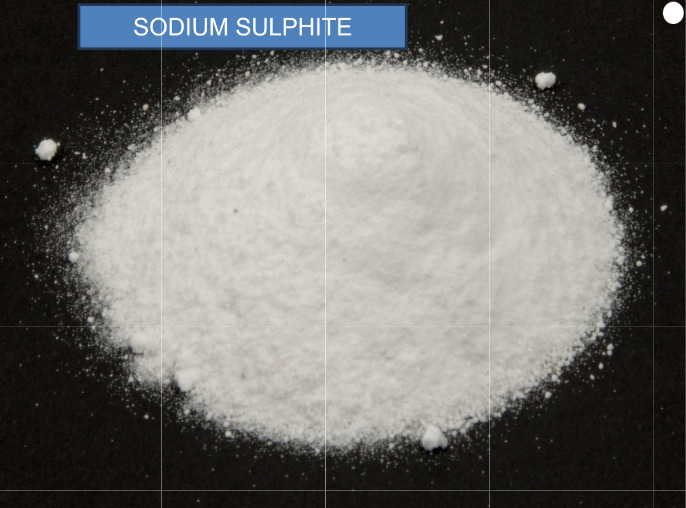
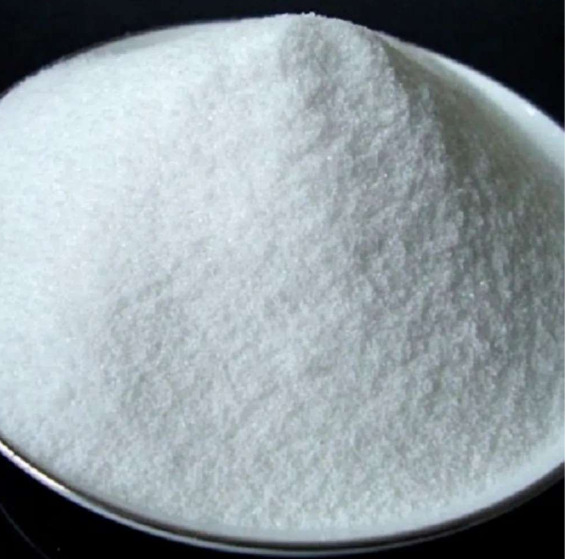
Experience the marvel of top-grade Sodium Sulphite, a highly popular inorganic salt widely used in various industries. This product boasts reduced price options and is available in both powder and crystalline forms, with customizable particle size to meet individual needs. With a terrific caking resistance and astounding purity (95% - 99%), it dissolves freely in water and ensures stable performance under recommended conditions. Packed in robust 25 kg or 50 kg HDPE bags, it meets BIS/ASTM/ISO standards, offering a safe, non-toxic solution for water treatment, textiles, food, and more!
Diverse Applications of Sodium Sulphite
Sodium Sulphite is marvelously versatile, finding its main usage as an oxygen scavenger, preservative, bleaching agent, and antioxidant. It excels in the water treatment sector, photographic industry, pulp and paper, and textiles. Other applications include its employment as a chemical intermediate and in food processing. With technical, industrial, and food grades available, Sodium Sulphite adapts seamlessly to numerous application places and types of usage, ensuring reliable and beneficial results for multiple industry sectors.
Sale Price, Dispatching, and Sample Policy
Enjoy quick dispatching with competitive sale and asking prices for Sodium Sulphite orders. We offer timely delivery across India, ensuring consistent supply for all clients. Samples are available upon request; our policy is centered on customer satisfaction, allowing you to assess our product quality before bulk purchases. Each consignment is promptly dispatched to meet urgent needs, confirming our commitment to excellent service standards and swift fulfillment of customer requirements.
FAQ's of Sodium Sulphite:
Q: How is Sodium Sulphite commonly used in industries?
A: Sodium Sulphite is widely used as an oxygen scavenger, preservative, antioxidant, and bleaching agent across industries such as water treatment, textiles, pulp and paper, food processing, and photography.
Q: What forms and grades are available for Sodium Sulphite?
A: The product is available in crystalline, granular, and powder forms, and is offered in industrial, technical, and food grades tailored to specific application requirements.
Q: When should Sodium Sulphite be stored and handled with care?
A: It should always be kept in a cool, dry place in tightly sealed containers, as high humidity can affect caking resistance. Avoid direct inhalation or ingestion, and use appropriate safety measures during handling.
Q: Where can Sodium Sulphite be applied outside of industry?
A: Besides industrial applications, Sodium Sulphite is also found in water purification systems, laboratory processes, and food preservation, demonstrating its marvelously broad utility.
Q: What benefits does Sodium Sulphite offer in water treatment?
A: It acts as an efficient oxygen scavenger and helps prevent corrosion, maintaining system integrity and enhancing water quality.
Q: How long is the shelf life of Sodium Sulphite, and what packaging options are available?
A: The shelf life is 12 months in original packaging. It's supplied in 25 kg or 50 kg HDPE bags, with further customization options as needed.




 Send Inquiry


 Send Inquiry
